Arup · with leSHOP
One template, built to publish at scale.
☕ about a 2-minute read
Rules built into the template.
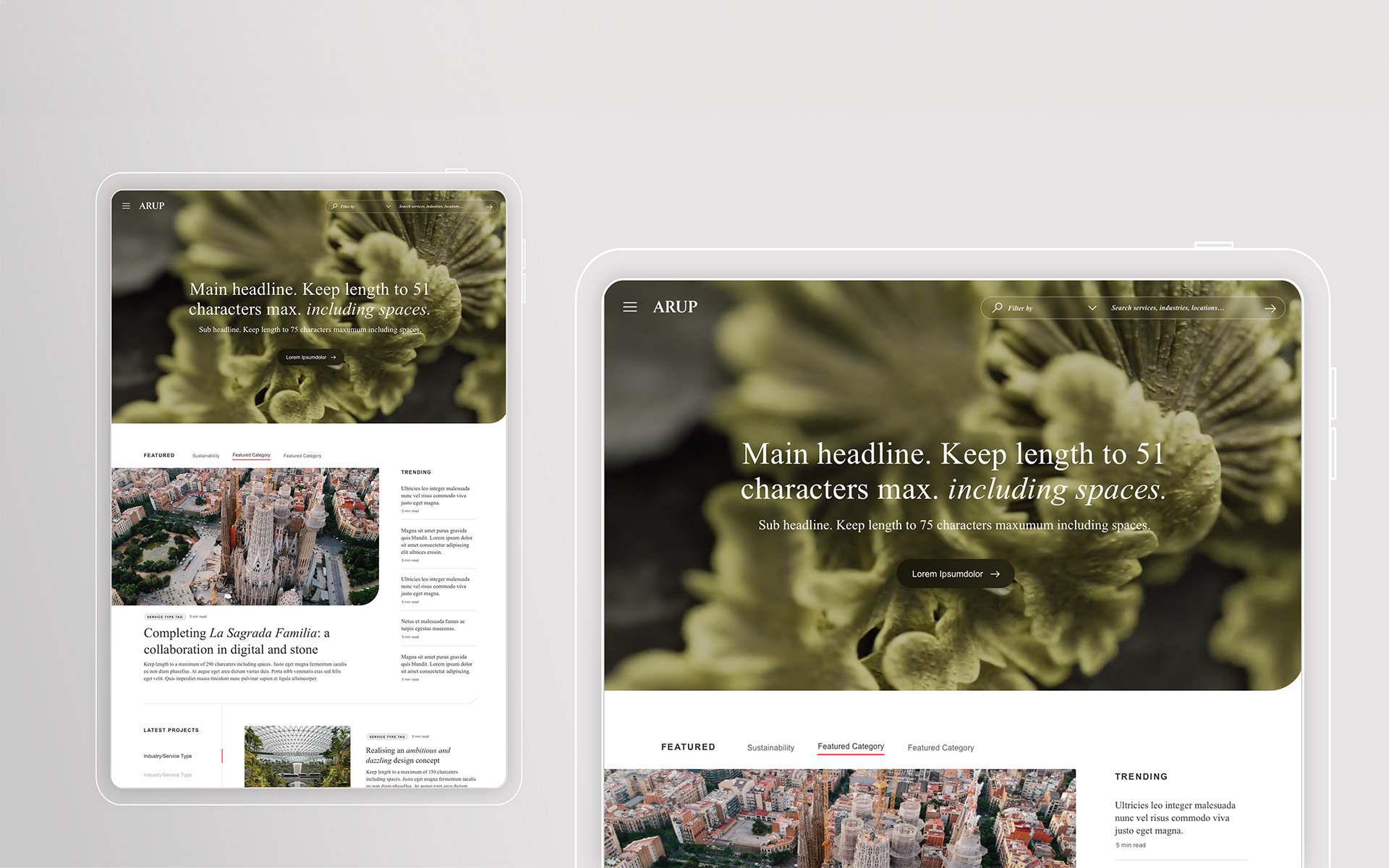
Every module carried its own constraints: a maximum headline length, a sub-headline capped at 75 characters including spaces, defined lengths for module copy. None of it was decorative. The limits existed so a template built for one story would still read cleanly when a different Arup team, on a different continent, filled it with different content.
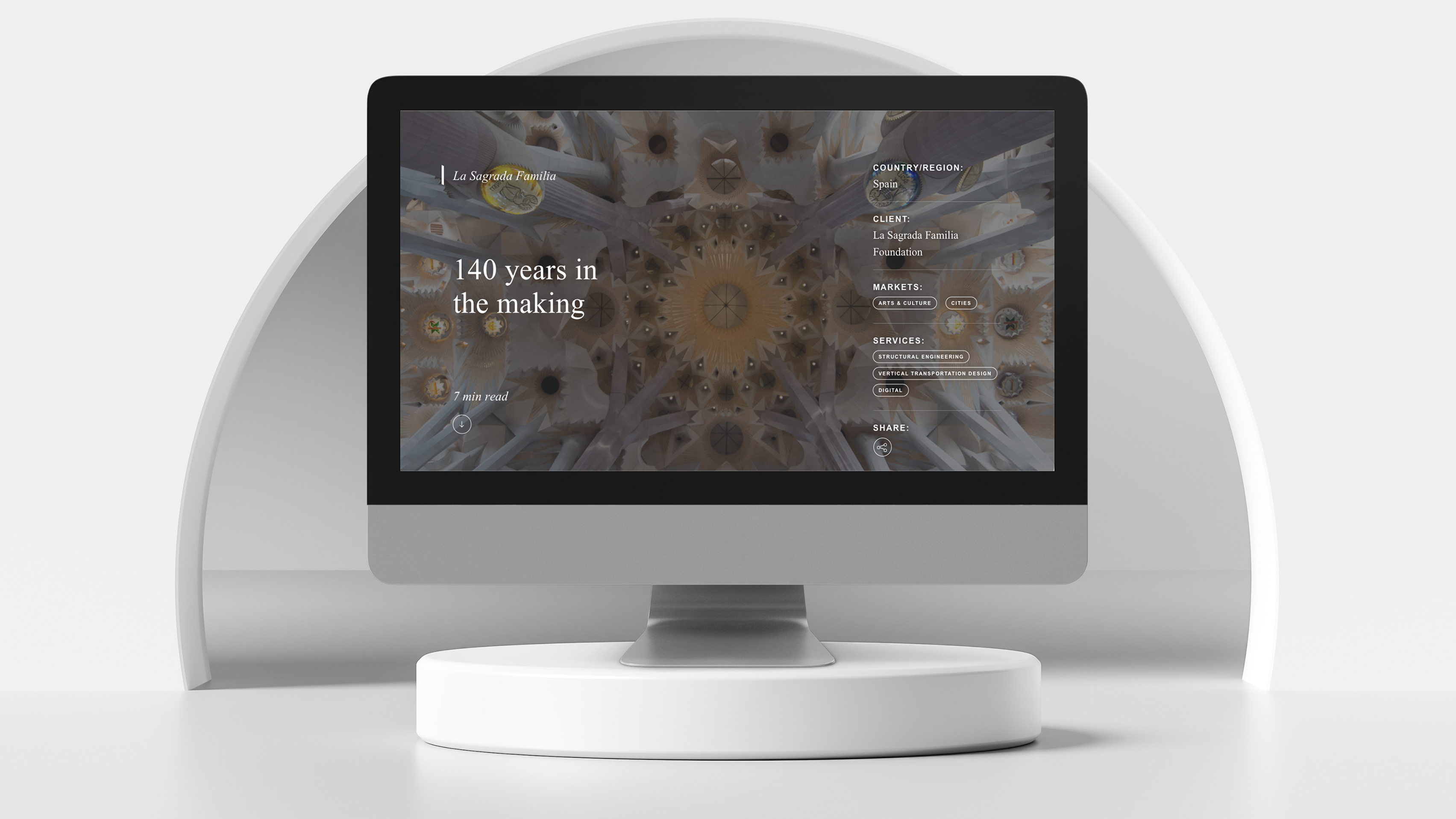
The flagship story: the Sagrada Família.
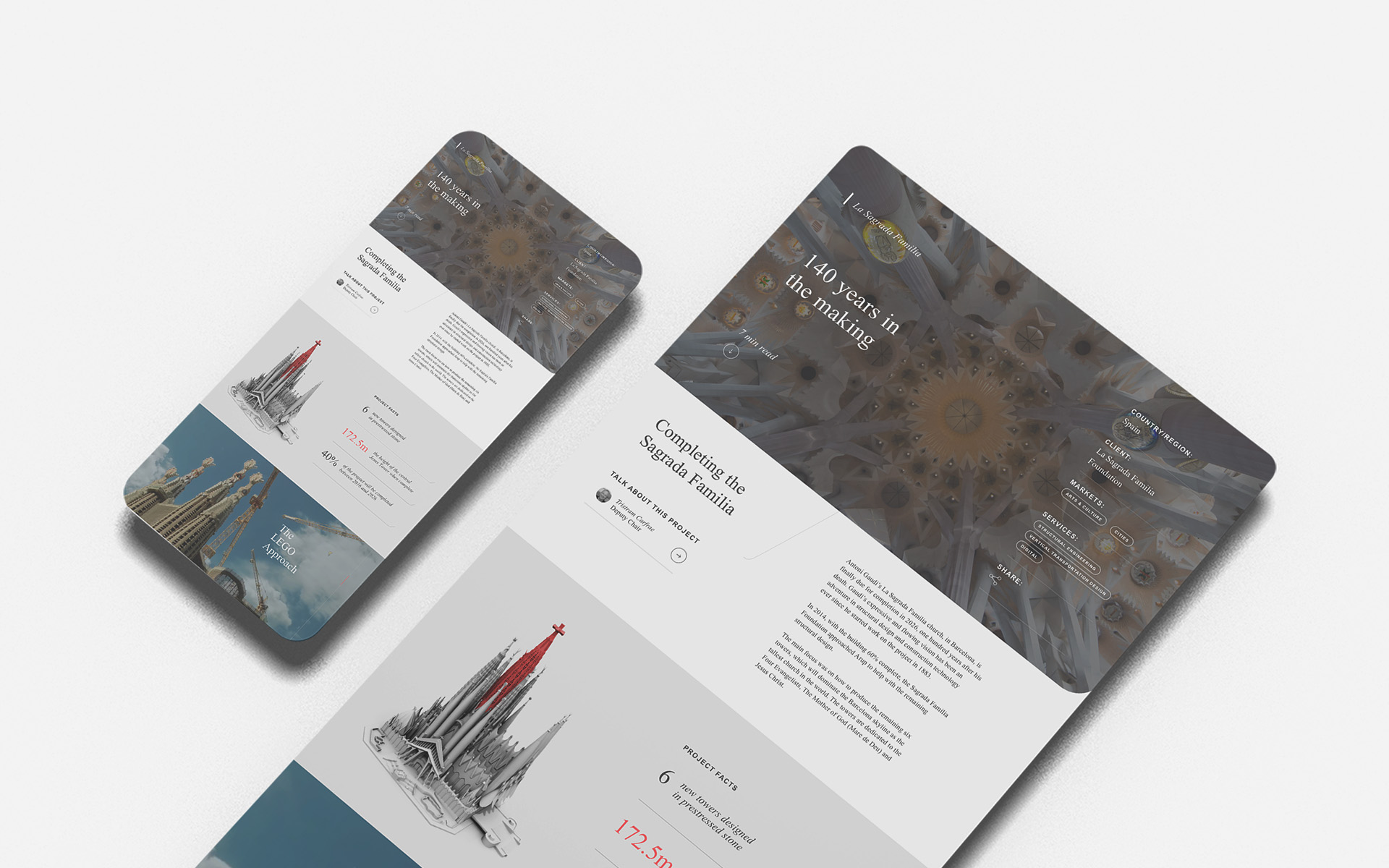
The project story template is shown here built around Antoni Gaudí’s Sagrada Família in Barcelona, the subject of Arup’s structural engineering and vertical transportation design work as the building nears completion of its remaining towers. The template carries the story itself: country, client, markets and services in a fixed sidebar, project facts pulled into a stat block, and a long-form editorial read built to hold attention for seven minutes. The engineering is Arup’s; the template is the layer that tells that story consistently, whatever project runs through it next.
“The same system, whether the story is a cathedral or a career page.” ✳
Careers, alerts and everywhere else.
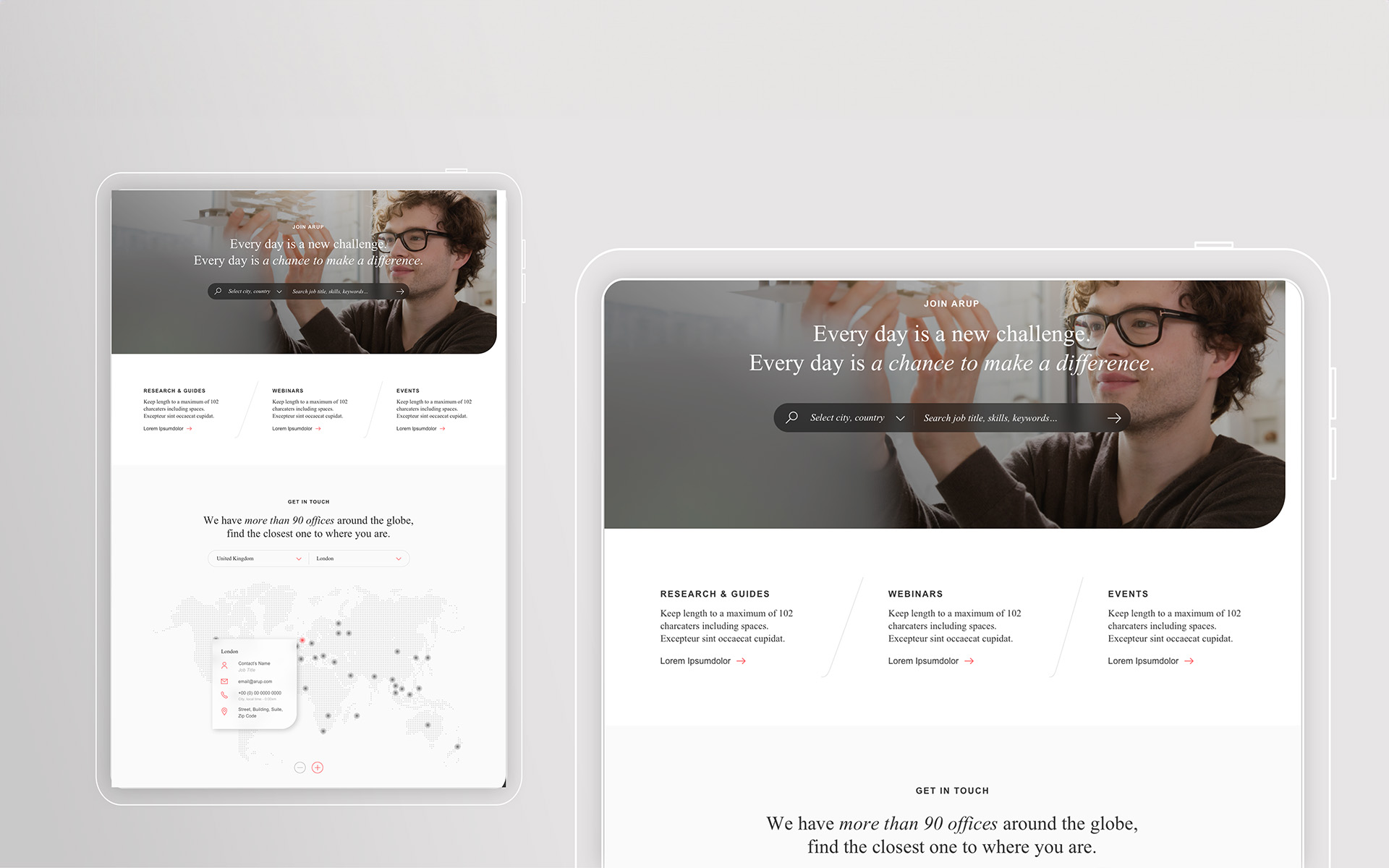
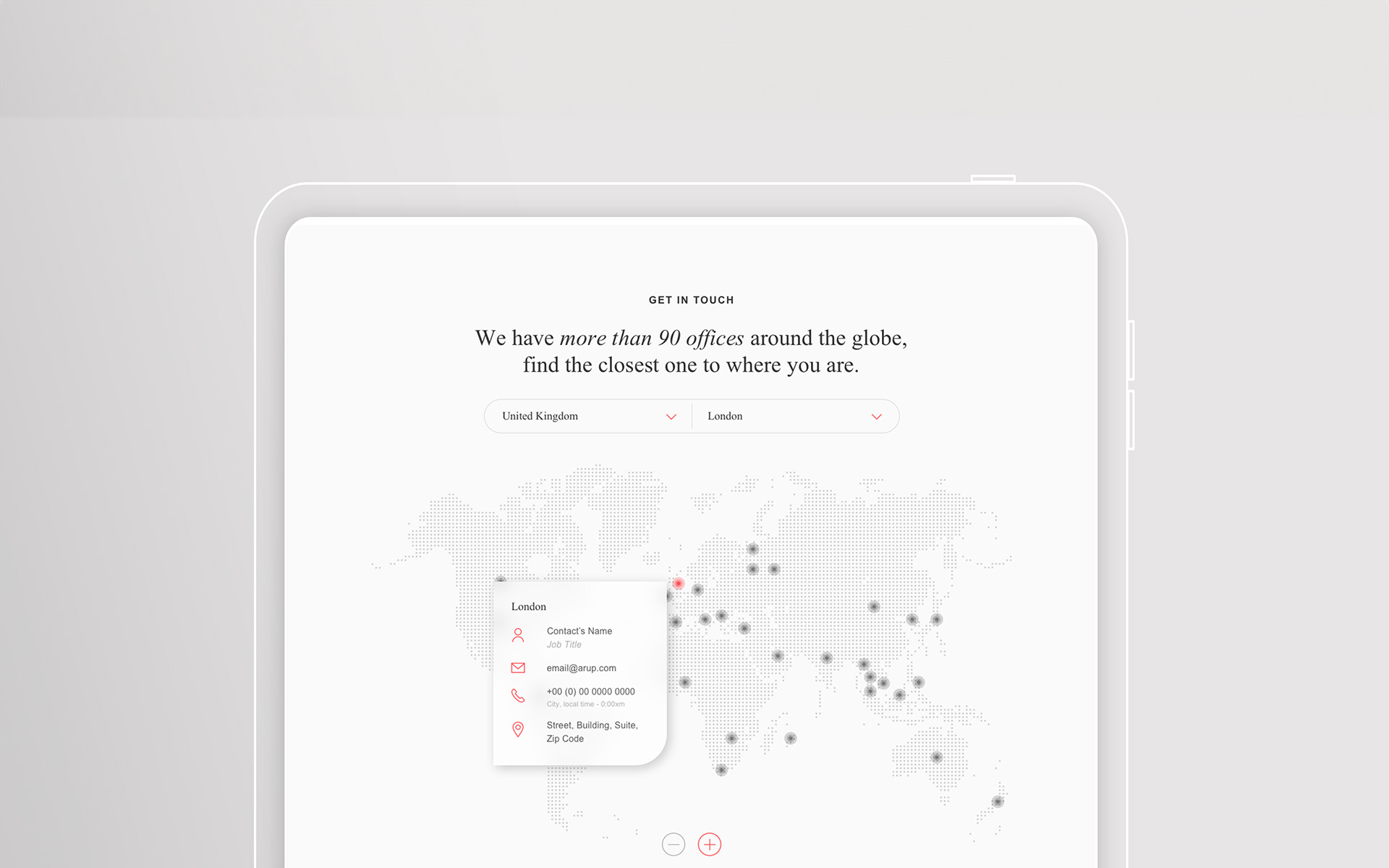
The same restraint carried through the site’s other systems. The careers and Join Arup pages paired a job search with research, guides, webinars and events, each held to the same content rules as the editorial templates. A job-alert sign-up let candidates flag their interests directly, and a global office locator turned Arup’s network of offices into a searchable map, built to hold up whether someone was looking for a role in London or a project in Singapore.
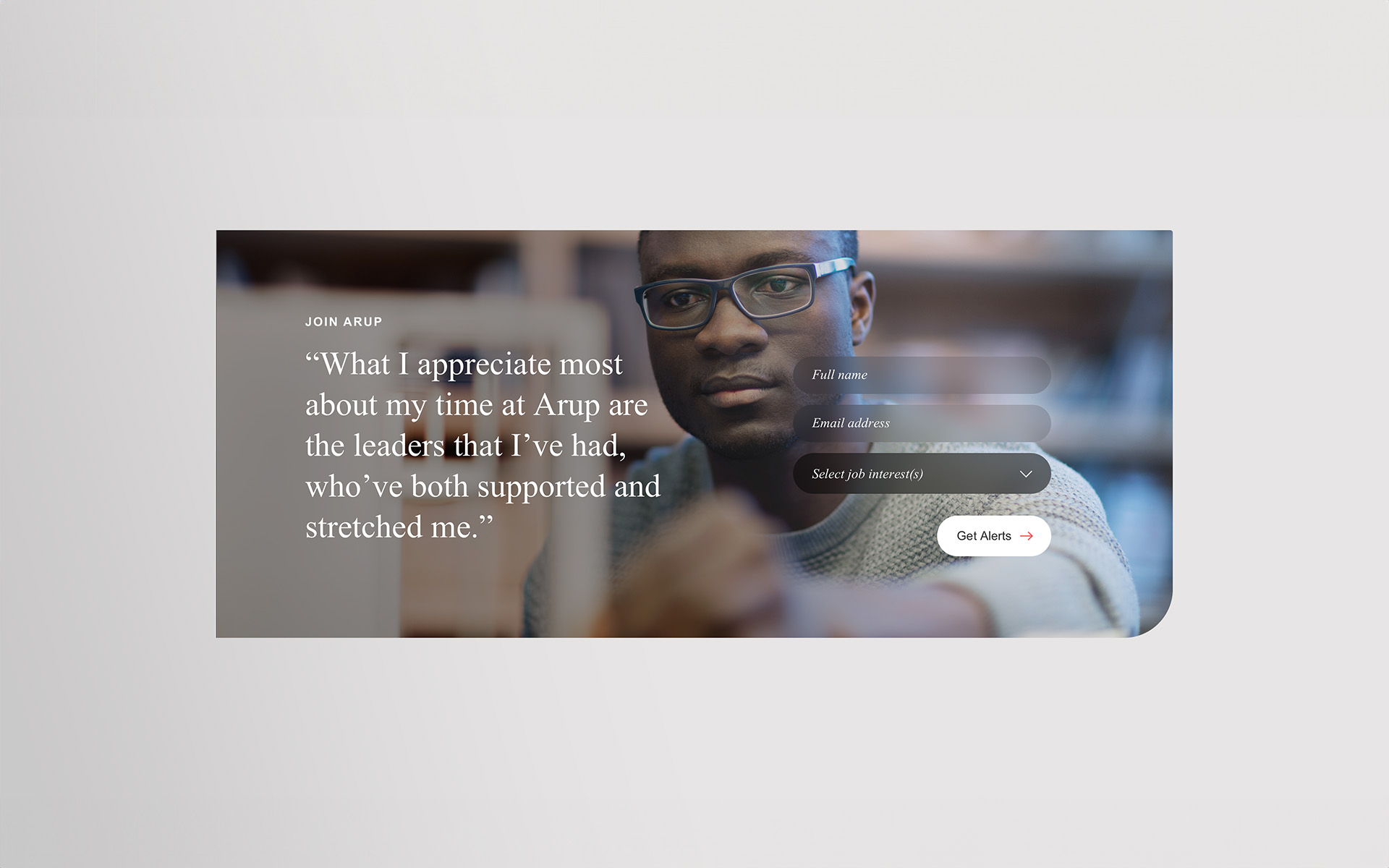
Content that scales without losing its voice.
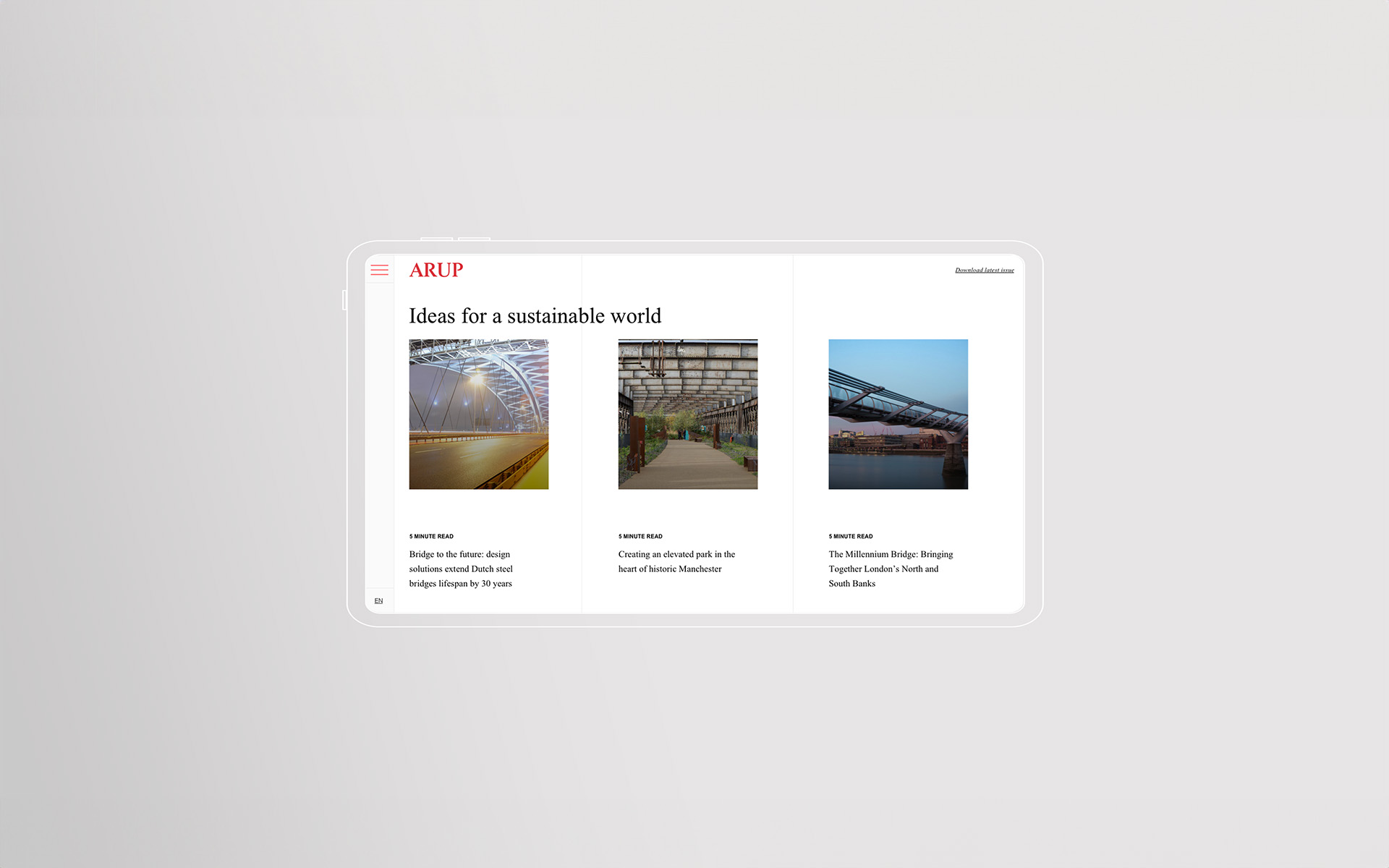
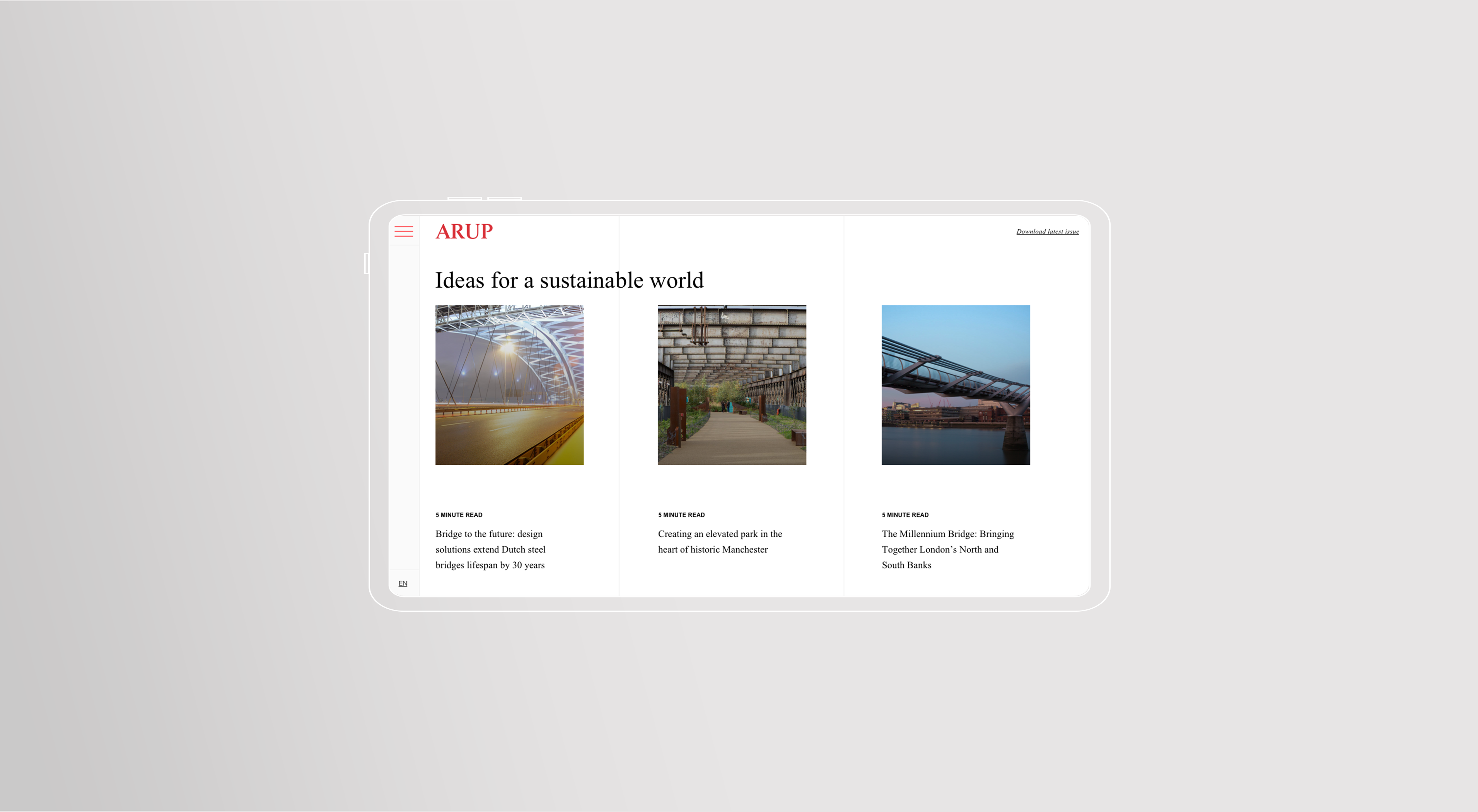
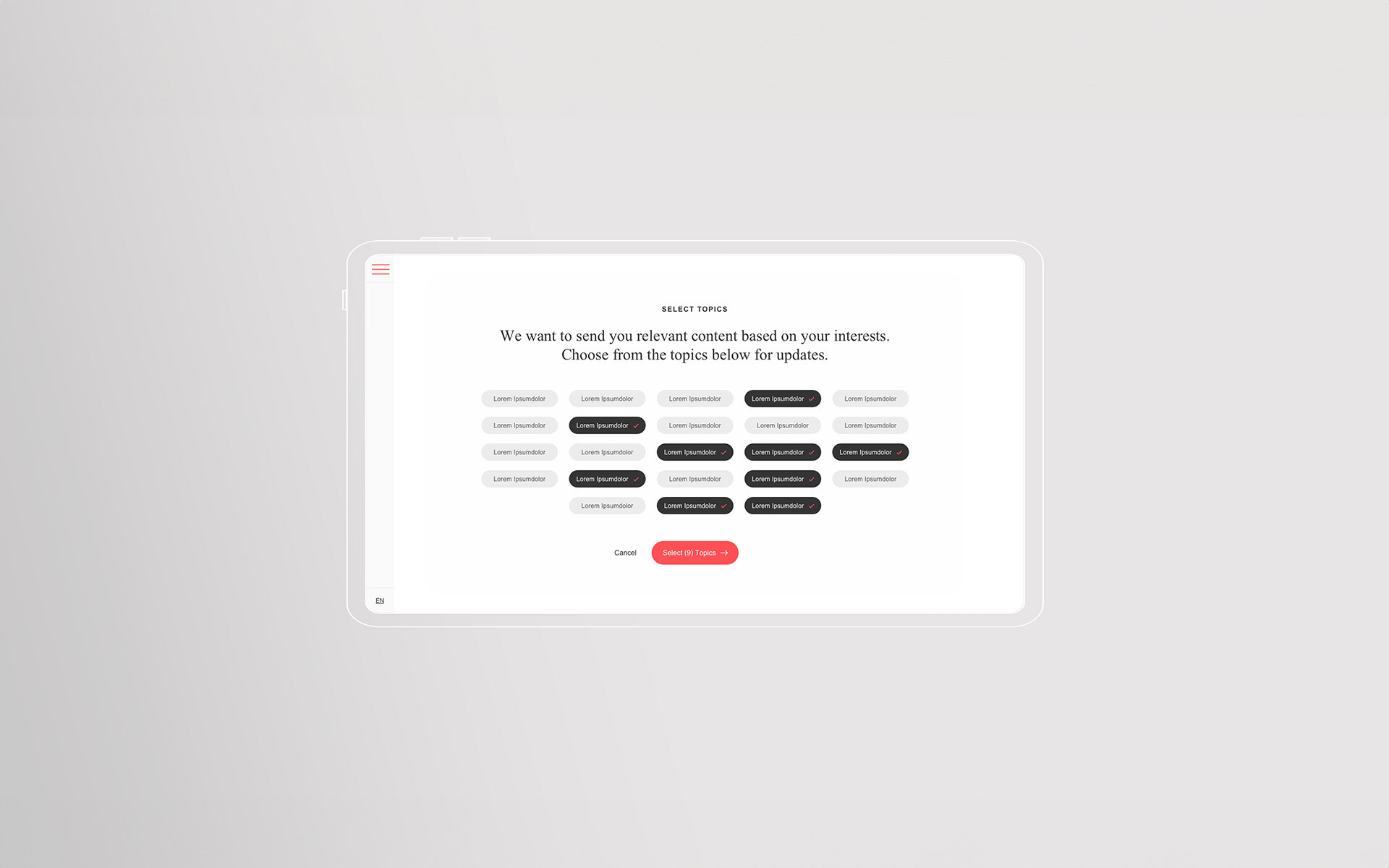
A topic-preference selector let readers choose what they wanted to hear about, feeding a sustainability editorial hub built to carry real engineering stories, bridges, parks, transit, at the same restrained register as everything else on the site: black serif type, generous white space, red held back for links, tags and calls to action rather than spent on decoration.